
READINGs: german expressionism, What is German Expressionism? Defining the Style
VIEWINGS: Nosferatu (1922), Metropolis (1927), The Haunted Screen: German Film After World War I (1998)
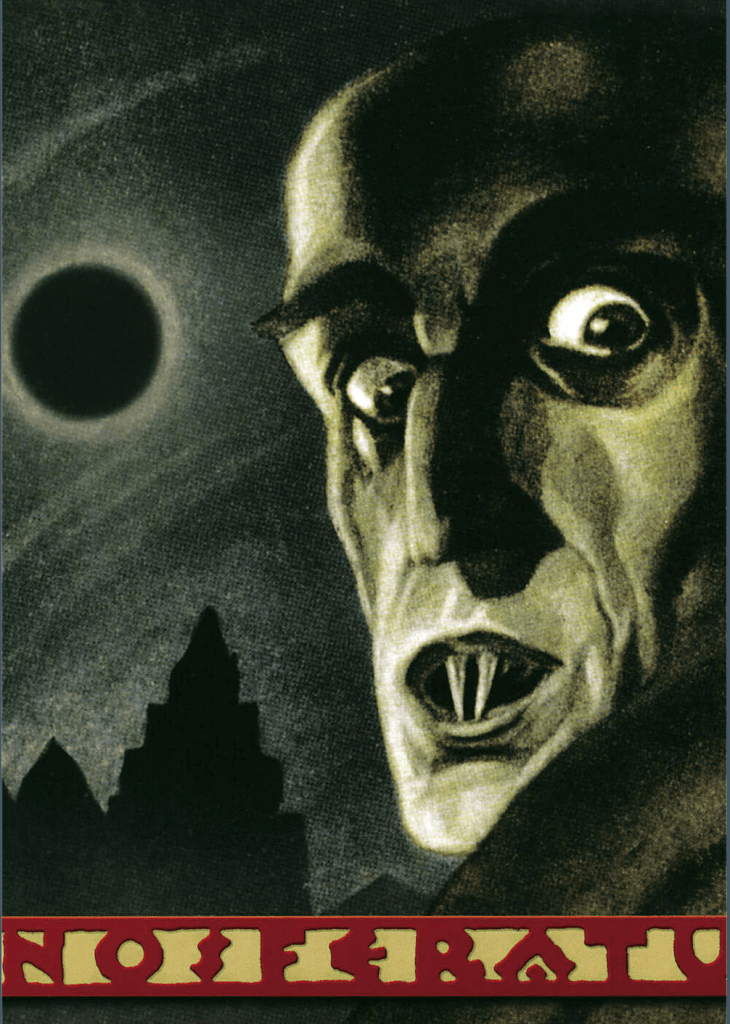
So I actually had a hard time tracking down the intended reading for this unit German Expressionist Cinema by Ian Roberts (it was available on Amazon but it was expensive and would have taken a while to get here). So I decided I would try something different and watch a documentary on the film movement, in addition to reading as much as I could on the internet.
The documentary in question was The Haunted Screen: German Film after World War I, and unfortunately, it wasn’t a very good documentary. It basically shows long clips from several of the major films from the movement, with some commentary in between about the plots and styles of the films and how they are similar. If I were to do this again, I might just buck up and buy the book, but I think from my other readings and now having seen 3 films from the period (including The Cabinet of Dr. Caligari from last week), I feel like I have a pretty good idea of what is going on here.

To understand German Expressionism, you do need to acknowledge the historical context of what was going on politically in post-war (or pre-war depending on the war) Germany. Having witnessed the bloodiest and most brutal war in human history to that point, the German public, and particularly German artists, had their mind on some of the less savory aspects of the human condition. Couple this with the fact that the German government banned all foreign film in 1916, and you’ve got yourself a real breeding ground for a creative movement that’s unlike anything being made in the rest of the world.
The two things that set the films of the Expressionist movement apart from the Hollywood films of the ’20s the most are the dark themes they explore and the dark shadows they use in their stylization. What I was most curious to learn when studying this unit is why it’s called “Expressionism”. Turns out, that while the rest of the world was primarily concerned with “realism” — making films that looked real and not fake — the Germans settled on “expressionism” — making films where the look of the film mirrored the emotional state of the characters (and indeed the filmmakers). This unlocked a really cool aspect of filmmaking that’s still used today, where the film feels like how the main character is feeling. Take the third act of Goodfellas, where the quick cuts, fast pacing, and more rockin’ soundtrack put us in the mind-state of Henry in his cocaine fueled mania. This movement seems to have planted the seeds for accomplishing something like that.

The conceptual innovation explored during this period was matched also by its progress in the stylization of film. Stuidobinder has some great reading on chiaroscuro lighting (fancy word for using light and dark shadows in the same shot) which really defines this period. Dr. Caligari I thought demonstrated this the best of the films from the period that I watched, but it’s clearly present in Nosferatu and Metropolis as well.

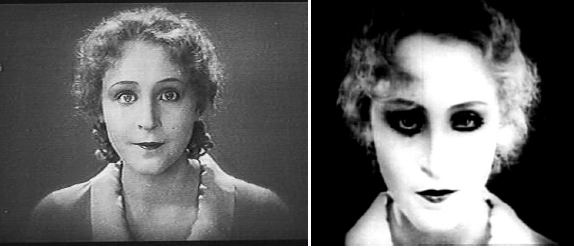
^ some examples of chiaroscuro used in this week’s movies
There’s a lot more to be said (and studied) about the German Expressionist film movement, but those are the points that stood out to me the most, so I’ll keep this entry relatively short. Before I go, I do want to shout out Fritz Lang, director of Metropolis who would later direct M, and a slew of other great movies. Films like Metropolis which commented on the ills of German post-war society were (predictably) unpopular with Goebbels and company, but they were willing to overlook that if Lang agreed to start making films directly for the Ministry of Propaganda. Lang says “yeah for sure sounds good” in a meeting with Goebbels and then immediately flees his home country, leaving everything (including his wife, who ratted him out for being anti-nazi) behind. He lived safely in France for a while and then came to the US where he made more films. Dude is such a baller, read up on him, and watch M.
That’s all for this time, the next unit will cover Experimental and Avant-Garde Cinema. See you then.

 Loosely Scripted
Leave a reply to Loosely Scripted Film Course Unit 6: Film Noir – Loosely Scripted Cancel reply