
READINGS: A Short History of Film by Wheeler Winston Dixon (Chapter 4)
VIEWINGS: Casablanca (1942), A Star is Born (1954), Gone With the Wind (1939)

“Of all the gin joints in all the towns in all the world, she walks into mine.”
“Frankly my dear, I don’t give a damn”
“I just wanted to take another look at you”
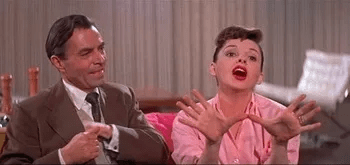
They don’t call it the Golden Age for nothing, they were cranking out hits that held a piece of the zeitgeist for so long that these lines from movies that are 70-80 years old are still recognizable, and not just to hardcore cinephiles. The system for cranking out these hits was streamlined and well-oiled, they took the assembly line method of movie making pioneered by the likes of Edison in the early days, and cranked it up to 11. I think the most important thing to understand about this era of Hollywood’s history is just how mechanical and managed it was. The studios had total control of the talent – and not just the stars, but the character actors and extras, the directors, even the sound operators, set designers, cameramen, stunt people, basically everyone involved in the filmmaking process was signed to a studio and that studio decided what they made and how. For the big names, the studios would not only manage their work, but their personal lives as well, going so far as to schedule social engagement and even arrange marriages (a concept explored in A Star is Born).
This differs substantially from the current (frankly chaotic) methodology for making a movie, where the movie must be championed by a producer who will acquire all the talent needed to make the movie by way of persuasion and then set up the individual production as basically its own company. In the Golden Age, I imagine things went a lot more smoothly overall, because the studio managed everything.
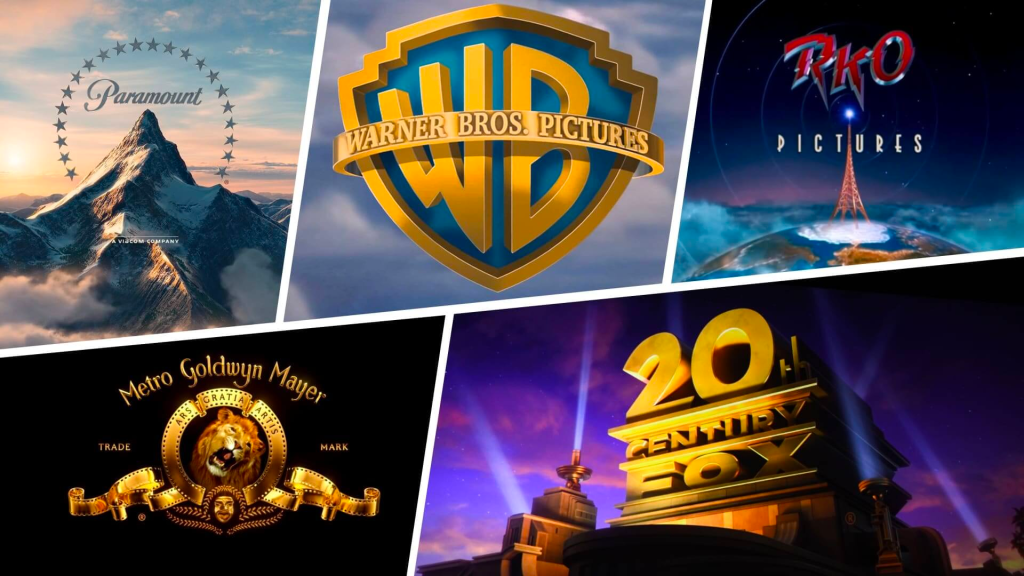
Imagine Brad Pitt, Ed Norton, and David Fincher are all signed to 20th Century Fox. 20th Century Fox gets the rights to the Chuck Palahniuk book and they team up and make Fight Club. Great! Only now Brad Pitt can’t go off and make Inglorious Basterds because Tarantino is signed to Warner Brothers. So Brad Pitt has to make Zodiac, because the studio execs decided he makes sense in the Downey Jr role, while Tarantino uses Bruce Willis for Lt Aldo Raine since they share a studio. It’s an interesting world and I’m curious to see how it winds up falling apart, because it was obviously a successful enterprise.
As for the art and the industry, it’s hard to imagine that the art didn’t suffer from this lack of flexibility, but also the lubrication the studio system provided made it possible to make a lot of movies. This is the system under which auteurs like Orson Wells worked, and filmmaking techniques such as the choreographed fight sequence were invented, so the medium was still developing and progressing. Still, the capitalist focus of the industry inevitably held back some. Female filmmakers were almost entirely squeezed out of the industry under the studio system of the Golden Age, after experiencing some relative equality in the Silent Age. And of course, as surely happened before, and is still happening today, the studios in the Golden Age sometimes pushed creatively bankrupt films on their filmmakers. My favorite examples of this being Universal’s success with monster movies like Frankenstein, the Mummy, Dracula, and the Wolf Man, only to then create so many spin-offs and Avengers-esque monster movie team-ups that the entire genre eventually became a cliche (speaking of the Avengers, funny how history repeats itself).

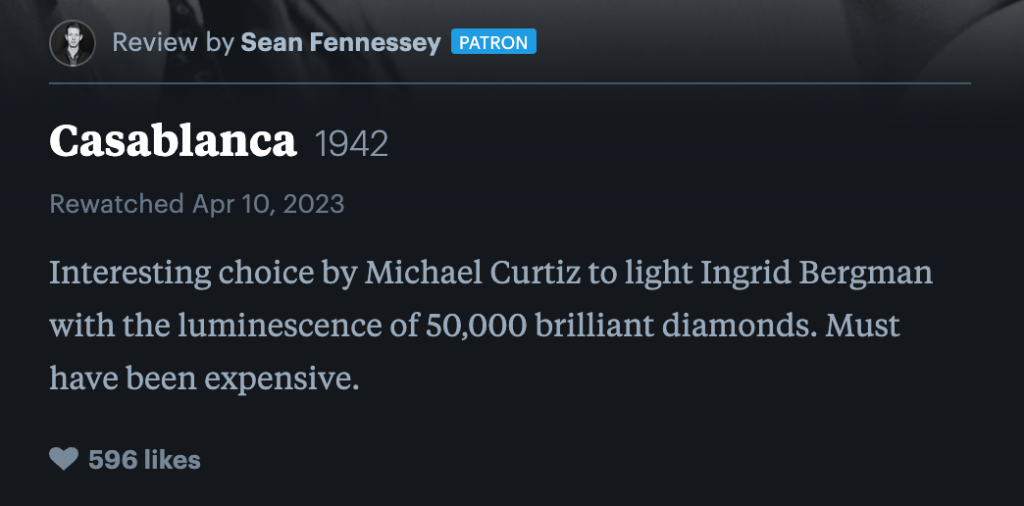
Even so, whether due to the quantity of films being made, the streamlined nature of the production process, or the talent that the money in Hollywood attracted, there were some all time classics getting made during this time. I found Casablanca (1942) to be as charming as advertised, particularly the Ingrid Bergman performance (summarized nicely by Sean Fennessey’s Letterboxd review).
As for Gone With the Wind (1939), I thought the filmmaking was pretty brilliant, but had a hard time getting past the rose colored portrayal of pre-civil-war American south (discussed briefly on Letterboxd, I don’t feel the need to go into more detail here). In A Star is Born (1954), I was similarly charmed by some of the filmmaking, but was put off a little by the Judy Garland performance. The narrative depends on the audience being powerfully moved by the female lead’s star power and to me she just fell kind of flat which took me out of it. Judging by the reviews, this seems to be a pretty hot take, or maybe it’s just my desensitized millennial brain, but in any case, I didn’t find it terribly engaging, and the movie did kind of feel like it dragged on forever.
Overall, I’m interested to dig in to some of the other types of movies being made during this period, as we will next time when we dig into Film Noir. So look out for that post, and as always, thanks for reading!

 Loosely Scripted
Leave a reply to richardaustinwriter Cancel reply